

Let your imagination run wild! Dramatic play is rich with developmental, physical, and social-emotional benefits for children of all ages — no assembly required. Dramatic play can represent fantasy as well as known or anticipated situations. Spark your child’s imagination with these simple games that not only create opportunities for family fun, but hone useful critical thinking and problem-solving skills, too. Create a parade of feelings by encouraging your kids to act out different emotions or practice conflict resolution by role-playing. And you can play along too! The more parents support imaginary play in the home, the more likely kids will be to use it as a way to express themselves and their ideas.. Making time for taking the stage and playing pretend with your kids builds positive connections — and even boosts empathy.
Questions to Ask Your Child
- Let’s pretend we’re astronauts and our home is a new planet. What do you see? Where should we go next?
- How do you look, speak, and act when you’re sad? How about when you are excited? Angry? Tired? Surprised? Happy?
- Let’s pretend to be chefs in a kitchen! What food should we cook? Let’s act it out!
Play and Learn Together With Children 2 to 5
Toddlers are just developing their interest in using dramatic play to express and regulate their feelings. Help your child learn more about taking care of babies through pretend play with a doll or stuffed animal. For preschoolers and kindergarteners, this play becomes more social — pretending together is half the fun! Act like different animals together with others using this Critter Catcher.
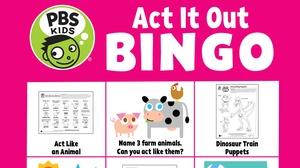
Learn Along Bingo for Ages 2-5: Act It Out
Play and learn with this activity packet all about acting!
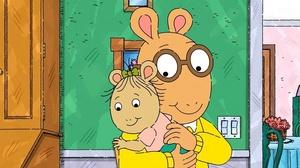
Pretend Play: Caring for Baby
30 min activityHelp your child learn more about caring for a younger sibling or baby through pretend play.
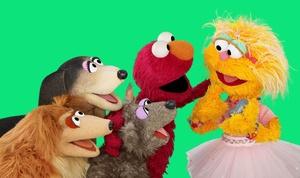
Overcoming Fears Through Pretend Play
Talk about a fear and problem solve ways to help your child become less afraid.
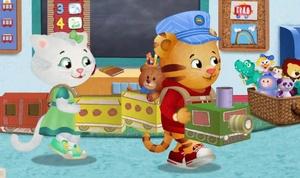
Turn Chairs Into a Pretend Trolley
This pretend play activity can help your child with the idea of going away and coming back.

Make a Donkey Hodie Puppet
30 min activityWhenever your child faces a challenge or fear, they can work through it in a fun way with a puppet of their favorite Someplace Else pal.
Creating Memorization Skills Through Play
Play Restaurant together with your child and practice using strategies to remember customers’ orders!
Play and Learn Together With Children 6 to 8
At this age, children’s increased attention spans and awareness of details allow them to stick with and extend play themes for longer periods of time. Encourage older kids to dramatize books, stories, movies and songs. Practice storytelling with dice to tell a unique story. Provide art and writing materials for making props and costumes and to write signs and scripts. Or, explore body language by playing feelings charade.
Learn Along Bingo for Ages 6-8: Act It Out
Play and learn with this activity packet all about acting!

Put on a Folktale Play
Listen to folktales from around the world to help your child begin to understand cultures that are different from their own.
Play Pretend: Restaurant
Help your children create their very own restaurant with pretend play.
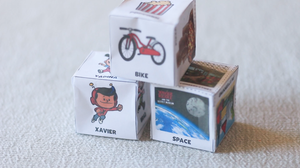
Play a Storytelling Game
30 min activityRoll homemade dice and use your imagination to tell a unique story! This fun game can inspire countless wacky tales and be played over and over again.
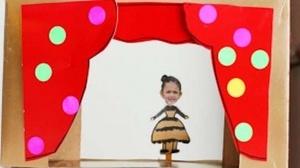
Mini Pencil Puppet Theater
Your child can make his own puppets and theater with an old cereal box and some pencils.
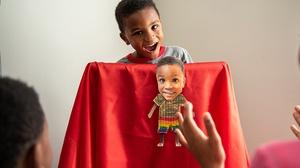
Family String Puppets
60 min activityMake fun string puppets featuring members of your family and then host a family puppet show.
Play and Learn By Myself

Pinkamazing Family Game
It's family game time! Your family can take turns drawing, acting, singing and dancing with fun and unique prompts from Pinkalicious.

Dress Up
Playing dress-up can help your child develop imagination and creativity. In this game, your child can put together fun and creative outfits for Daniel Tiger and his friends.
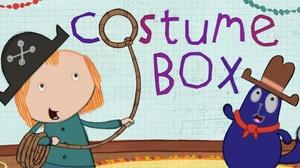
Costume Box
Children love to dress up when they play pretend. In this game, your child can choose costumes and props for Peg, Cat, Pig, and Ramone.
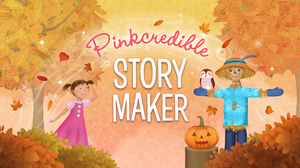
Pinkcredible Story Maker
Make up a story starring Pinkalicious and her friends. In this online game, your child can create pictures using characters and props to tell a story that has a beginning, a middle and an end.
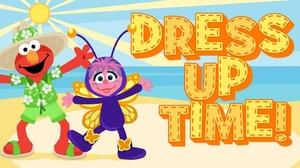
Dress Up Time
Elmo and Abby want to play dress up. Your child can choose pieces of clothing to complete the outfits Elmo and Abby want to wear.

Aviva's Powersuit Maker
Creature Power! Aviva and your child can collaborate on designing power suits by deciding what types of animal features are best for certain environments.
Read More

7 Ways for Kids to Learn Empathy Through Acting
Although acting may just seem like a fun game to your kids, it’s also giving them amazing practice at understanding emotions and developing empathy.

Making More Time for Imaginary Play
Imaginary play is one of the hallmarks of childhood, and it’s more than fun and games: Pretend play boasts important benefits when it comes to child development.

How Play Helps Kids Navigate Difficult Times
In the few months, a lot has changed for my kids — and probably for your kids, too. Playtime with family is a powerful tool to help kids navigate this challenging time.

The Superhero Solution: How Make-Believe Boosts Kids’ Perseverance
Perseverance is a really important character trait. It’s one of those life tools that helps kids become strong in other ways.

Being Confident on Stage: Preparing Your Kids for a Performance
From recitals to school performances, kids are taking the stage to share their talents — maybe even for the first time! Here’s how you can support them and help them overcome stage fright and feel confident on stage.